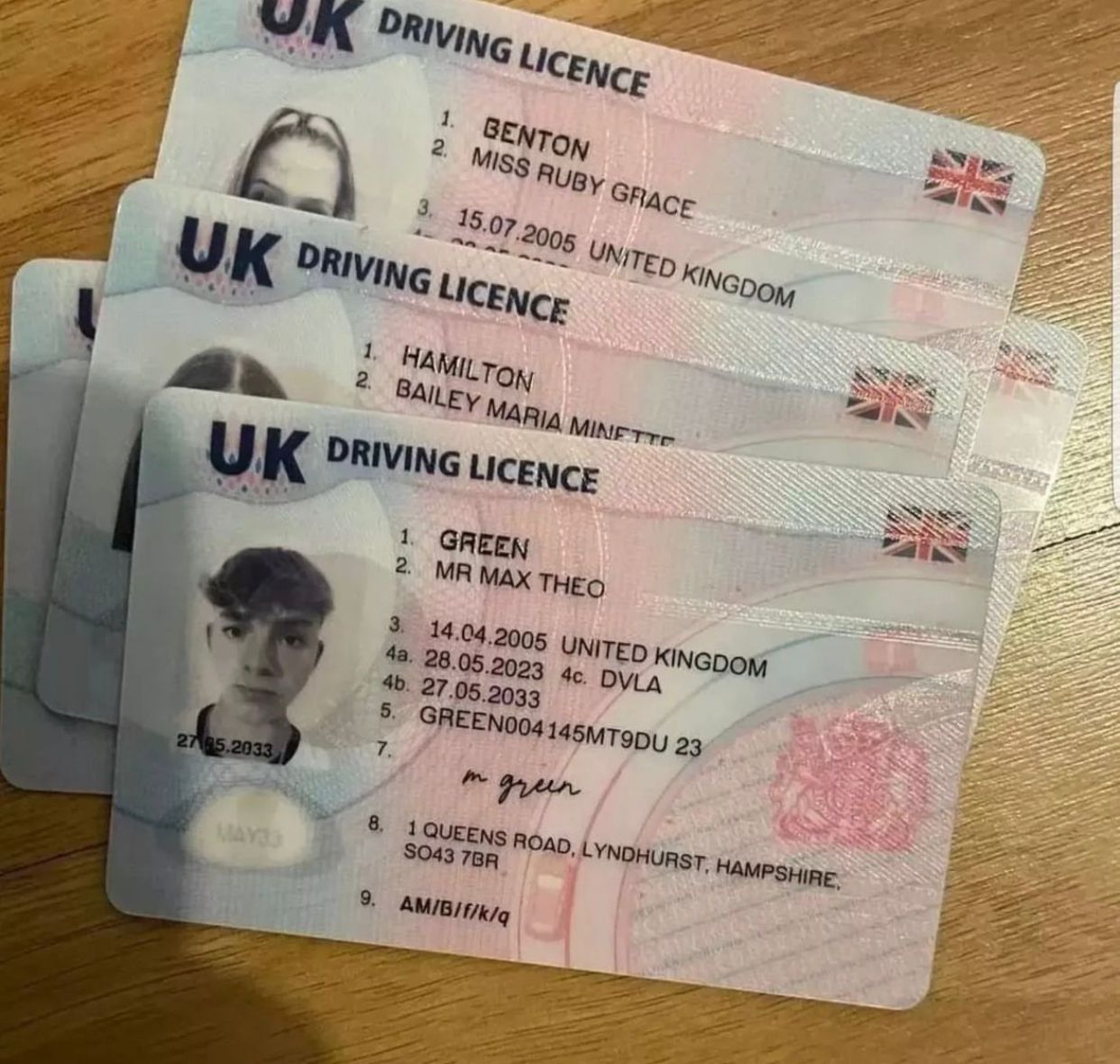
Understanding Professional Drivers Licenses: What You Need to Know
In a period where movement is essential for both people and organizations, the value of a professional drivers license can not be overemphasized. This license functions as a legal recommendation for people to operate business vehicles, guaranteeing they are qualified and trained for the complexities of professional driving. This article aims to demystify the professional drivers license, describing its categories, requirements, and benefits while resolving common questions.
What Is a Professional Drivers License?
A professional drivers license is a specific type of driving credential that allows the holder to operate lorries for industrial purposes. Depending on local laws, it may cover numerous types of vehicles, including trucks, buses, and specialty vehicles. Unlike a routine driver's license, getting a professional drivers license often involves more extensive training, extra examinations, and continuing education.
Classifications of Professional Drivers Licenses
Professional drivers licenses can be classified into numerous classifications depending on the kind of automobile operated and the nature of the transport. Below is a table summarizing different categories:
| License Category | Kind of Vehicle | Common Uses |
|---|---|---|
| Class A | Tractor Trailers | Long-haul trucking, freight transportation |
| Class B | Heavy Trucks/Buses | Commercial bus services, delivery services |
| Class C | Small Passenger Vehicles | Transportation of approximately 16 guests, dangerous materials |
| Class D | Standard Vehicles | Fundamental industrial driving without endorsements |
Requirements for Obtaining a Professional Drivers License
The path to getting a professional drivers license includes numerous steps, which may vary by region. Below are the typical requirements:
- Age Requirement: Most jurisdictions need candidates to be a minimum of 18 years of ages, with a higher age for interstate transport.
- Routine Driver's License: Applicants must hold a valid regular driver's license for a given period.
- Composed Examination: A written test on traffic laws, security policies, and lorry operation must be passed.
- Driving Skills Test: Performance on a practical driving test is necessary to show proficiency behind the wheel.
- Medical checkup: A comprehensive medical checkup might be needed to make sure drivers meet physical standards.
- Background Check: A criminal background check may be required, especially for those transferring passengers.
Advantages of Holding a Professional Drivers License
Holding a professional drivers license provides various benefits, particularly for people pursuing a career in driving, logistics, or transport. The following list lays out a few of these benefits:
- Employment Opportunities: Many employers prefer or require candidates to have a professional drivers license.
- Greater Earning Potential: Professional drivers typically earn greater salaries compared to those without specialized driving credentials.
- Task Security: With the boost in e-commerce and the need for transportation services, professional drivers are in high need.
- Ability Development: Obtaining a professional drivers license includes comprehensive training, resulting in ability advancement in areas such as lorry handling, navigation, and cargo management.
- Regulatory Compliance: A professional drivers license makes sure adherence to local, state, and federal transport regulations.
Restoring and Maintaining a Professional Drivers License
Preserving a professional drivers license needs continuous duty:
- Regular Renewals: Most states require licenses to be restored periodically, often every few years.
- Continuing Education: Some jurisdictions mandate continuing education to keep drivers updated on changes in laws and practices.
- Record Keeping: Maintaining a clean driving record is essential, as offenses can result in the suspension or revocation of the license.
Frequently asked question Section
Q: How long does it require to obtain a professional drivers license?A: The timeline differs but typically varies from a couple of weeks to several months, depending upon your preparation for tests and required training. Drivers License UK : Are there age constraints for different classes of professional drivers licenses?A: Yes, Class A and B licenses generally need drivers to be a minimum of 21 for interstate driving, while Class C may enable drivers as young as 18 for intrastate travel. Q: What takes place if I lose my professional drivers license?A: If lost, the driver must immediately report it
to the licensing authority and get a replacement. They may require to supply recognition and pay a replacement cost. Q: Can I update my professional drivers license to a greater class?A: Yes, drivers can pursue extra training and screening to upgrade their license, allowing them to run larger or various types of vehicles. Q: Are specialized recommendations required for carrying hazardous materials?A: Yes, an additional endorsement is needed for drivers who transfer hazardous products, involving specialized training and testing.
A professional drivers license acts as an essential credential in today's transport-centric economy. It opens doors to various employment opportunities and assists ensure the security and reliability of industrial transport services. Individuals looking
to start a driving career must acquaint themselves with the requirements, renewable conditions, and advantages connected with this vital license. As transportation continues to progress with innovation and regulations, the requirement for trained professional drivers will remain critical. Whether one aims to drive buses, trucks, or specialty automobiles, understanding the subtleties of a professional drivers license is the primary step towards attaining those goals.